A debut, a veteran, and a grid full of Motion Applied technology. Le Mans 2026 is our biggest test yet.
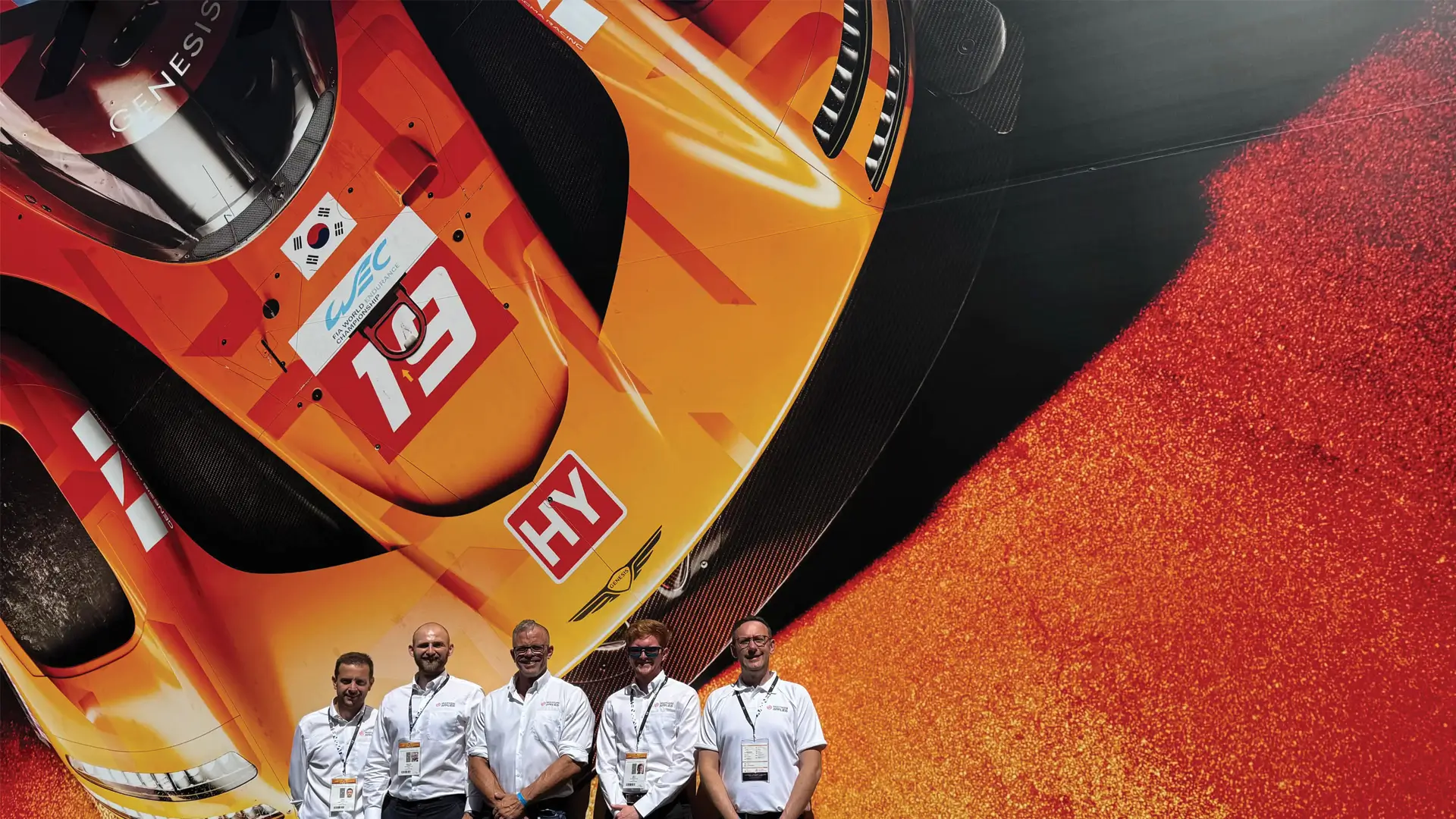
This weekend, motorsport faces the ultimate examination. From 13–14 June, the 24 Hours of Le Mans grinds cars, drivers and technology through a full day and night of racing, where the winners aren’t simply the fastest, but the most reliable, the most efficient, and the best informed.
For Motion Applied, this year’s race is a milestone. Across the grid, more of our technology is racing at Le Mans than ever before, including one system making its debut, and another proving that endurance runs in its DNA.
A first Le Mans for the TAG-700 and EIU-510
Every product has to earn its place at Le Mans. This weekend, our latest-generation TAG-700 and EIU-510 face the race for the first time. 24 hours of sustained heat, vibration and relentless data load, with no margin for error.
There is no tougher proving ground. A single lap of the Circuit de la Sarthe demands everything from a car’s electronics; 380-plus laps demand something more: consistency, resilience, and total trust from the engineers relying on every channel of data.
The TAG-320B: still racing strong
At the other end of the story is the TAG-320B, a system that has been earning that trust for years and is still racing at the front. Its continued presence at Le Mans says something we’re proud of: when teams find hardware they can depend on for 24 hours straight, they keep depending on it.
That longevity is the quiet measure of endurance engineering. Debuts make headlines. Staying on the grid, year after year, makes reputations.
Across the grid, under the skin
Look beneath the bodywork of this year’s field and you’ll find Motion Applied technology working throughout the race:
• ATLAS: our telemetry and analytics platform, turning millions of data points into live, lap-by-lap decisions in garages up and down the pit lane, supported by System Monitor, Stream API and ADS for off-car data and operations
• Clutch shaft torque sensors running on multiple cars across the Hypercar field (LMH and LMDh), measuring driveline behaviour at the very point where power meets the track
• Intelligent alternators, sensor technology and data logging quietly doing their jobs through every hour of darkness and daylight
Powering the hydrogen frontier
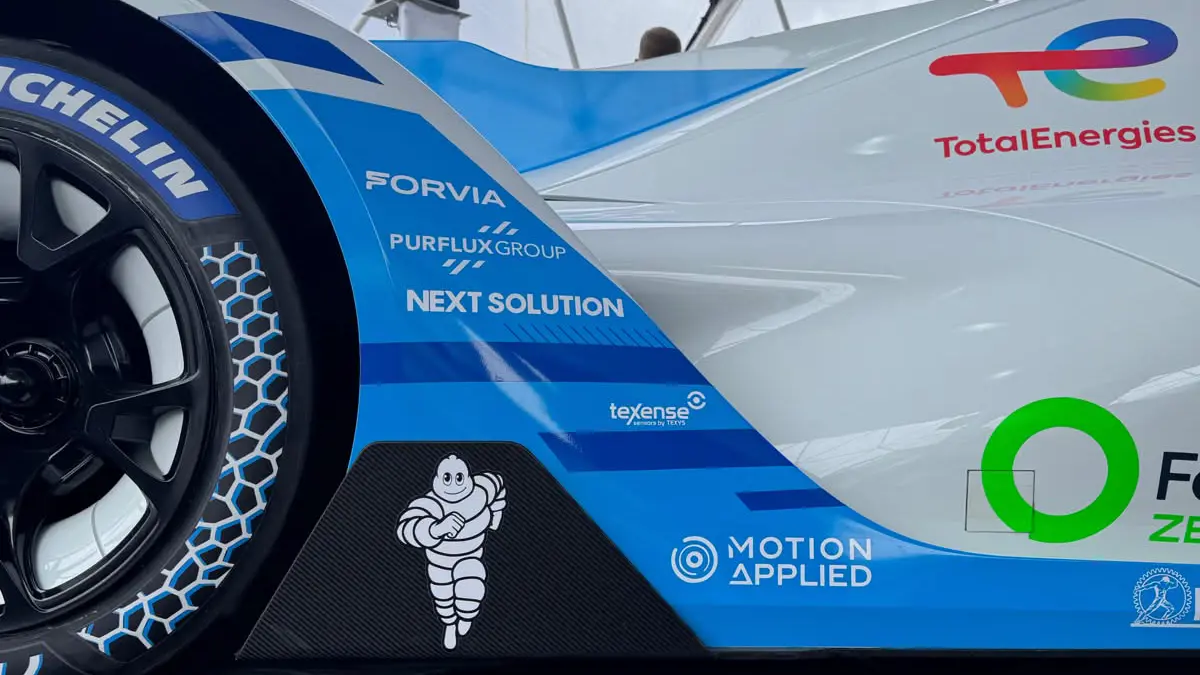
Le Mans isn’t just about this year’s race, it’s about what racing becomes next, and this weekend that future ran demonstration laps of the Circuit de la Sarthe. The hydrogen-electric H24EVO is the prototype paving the way towards a dedicated hydrogen class at Le Mans. Through our long-standing partnership with MissionH24, Motion Applied systems including the VCU-500, ATLAS and Tyre Pressure Monitoring System are embedded in the H24EVO programme, and our technology also supports hydrogen development at Toyota.
Hydrogen racing is one of the most demanding control and data challenges in motorsport. Managing a hydrogen-electric powertrain across a full race distance requires exactly what we build: precise control, continuous sensing, and insight engineers can act on in real time. What’s proven here will shape zero-emission motorsport and the sustainable mobility that follows it.
Endurance defines everything
Since 1923, Le Mans has forced engineering forward with disc brakes, aerodynamics, hybrid power. The innovations that survive 24 hours at Le Mans tend to survive everywhere else.
The demands haven’t changed: extract more from every unit of energy. Make faster, smarter decisions from data. Build systems that perform not just for a lap, but for the long run.
Any technology can be impressive for an hour. At Le Mans, the only question that matters is who and what’s still performing when the clock finally hits 24.
That’s what Motion Applied technology is built for.